
What is CO₂ and why is it a problem and a value chain. Carbon Capture and Storage (CCS) or Carbon Capture, Utilisation and Storage (CCUS) – is basically a CO₂ value chain: you catch concentrated CO₂ before or after it’s emitted, move it, and lock it away so it doesn’t reach the atmosphere.
In a series of blog posts ActVision Carbon Management & CCS Strategy Studio explains questions related to Carbon Capture and Storage (CCS) also addressed as Carbon Capture, Utilisation and Storage (CCUS).
Act2Vision, Food4The Brain (2025)
What is CO₂?
Carbon dioxide (CO₂) is a colourless, odourless gas made of one carbon atom and two oxygen atoms.
It occurs naturally when:
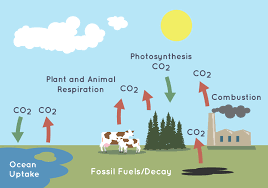
- Living organisms breathe out
- Plants and animals decompose
- Volcanoes erupt
It is also released when we burn fossil fuels such as coal, oil and gas in:
- Power plants
- Factories
- Cars, trucks, planes and ships
In small, stable concentrations CO₂ is essential. Plants use it for photosynthesis, and it helps keep the Earth warm enough for life.
Why is CO₂ a problem?
CO₂ traps heat: CO₂ is a greenhouse gas. It lets sunlight in but slows the escape of heat back into space. When the concentration of CO₂ rises too much, the planet warms. This leads to:
- Hotter average temperatures
- More extreme weather
- Melting ice and rising sea levels
- Stress on agriculture, water and ecosystems
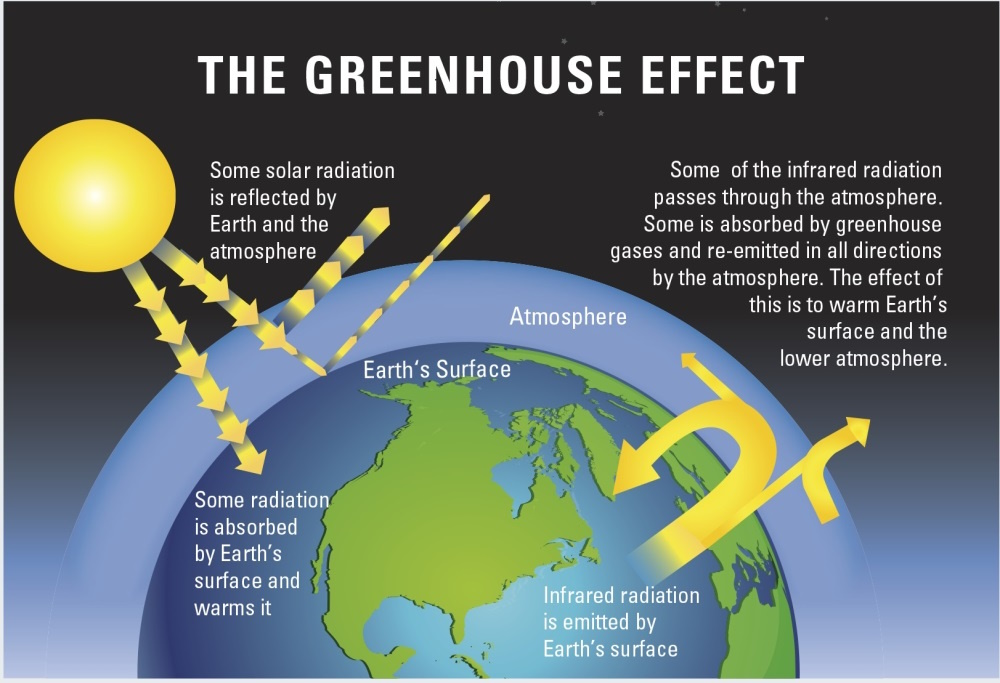
CO₂ stays in the atmosphere for a long time. Once emitted, a part of CO₂ can stay in the atmosphere for hundreds of years. That makes it very different from pollutants that disappear quickly. Today’s emissions add to a “stock” that has been building up for generations. CO₂ is linked to almost every economic activity. Energy, transport, industry, buildings, food: nearly all are tied to CO₂ emissions. That means climate policy and business strategy are now tightly connected. Companies face:
- Carbon taxes and emissions trading
- Reporting duties on their CO₂ footprint
- Pressure from customers, investors and regulators
So CO₂ is not just a chemical; it is a strategic risk factor.
From problem to opportunity: the CO₂ value chain
Because CO₂ is everywhere, a new CO₂ value chain is emerging. Instead of seeing CO₂ only as waste, companies treat it as a resource that can be:
- Avoided
- Captured
- Transported
- Stored or used
1. Avoiding CO₂ at the source; the first and most important “link” in the CO₂ value chain is not emitting in the first place:
- Energy efficiency in factories and buildings
- Renewable electricity (solar, wind, hydro)
- Electrification of transport and heat
- Process innovation in cement, steel and chemicals
This reduces both emissions and future costs of carbon.
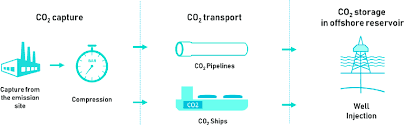
2. Capturing CO₂; for the emissions that remain, companies can use carbon capture technologies:
- Capturing CO₂ from flue gases at power plants and industrial sites
- Direct air capture, which removes CO₂ directly from the atmosphere
The captured CO₂ is compressed into a dense fluid so it can be moved and used.
3. Transporting CO₂; CO₂ can be transported:
- By pipeline (like natural gas)
- By ship, truck or train in liquid form
This creates a logistics chain comparable to existing energy and chemical networks.
4.1 Storing CO₂ safely; one route is carbon storage (CCS – Carbon Capture and Storage):
- Injecting CO₂ into deep geological formations
- Using depleted gas or oil fields
- Monitoring storage sites to ensure long-term containment
Here the value lies in avoided climate damage and regulatory compliance.
4.2 Using CO₂ as a resource; another route is carbon utilization (CCU – Carbon Capture and Utilization). CO₂ becomes a feedstock for:
- Synthetic fuels and e-fuels (combined with green hydrogen)
- Building materials (mineralised CO₂ in concrete products)
- Chemicals and polymers
- Carbonated drinks and greenhouses
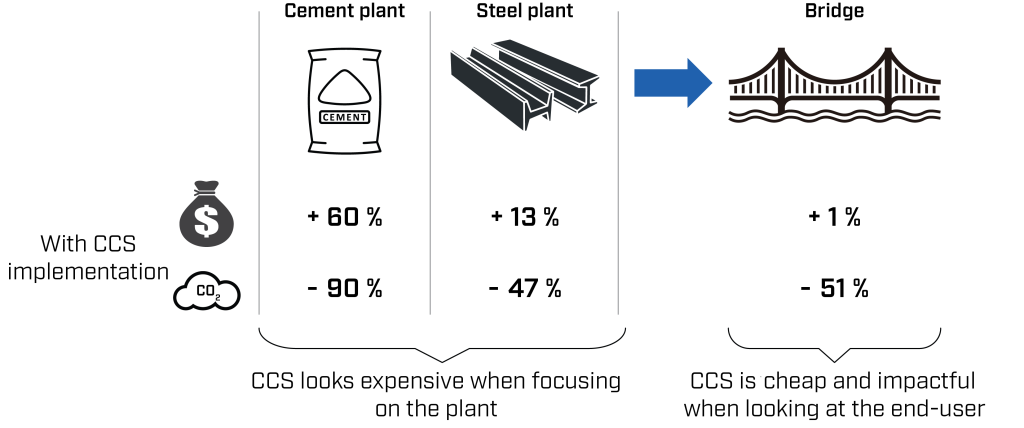
Many of these applications are still developing, but they open new markets and revenue streams.
Why the CO₂ value chain matters for business
What is CO₂ and why is it a problem and a value chain. Seeing CO₂ as part of a value chain helps companies move from compliance only to strategic advantage:
- Cost – lower exposure to carbon taxes and future regulation
- Risk – more resilient operations in a low-carbon economy
- Reputation – stronger brand for customers, investors and talent
- Innovation – new products and services based on captured carbon
Firms that understand their full CO₂ footprint (Scopes 1, 2 and 3) can design targeted interventions along the value chain: avoid where possible, capture where needed, and create value where CO₂ can be used.
Key takeaway
CO₂ is:
- A natural gas essential for life
- A major driver of climate change when concentrations rise
- The core of a fast-growing CO₂ value chain that spans avoidance, capture, transport, storage and utilization
For policymakers and companies, the central challenge is clear:
Emit less, manage what remains, and turn waste CO₂ into value wherever it truly reduces climate impact.

Building process clarity today for the value chain of tomorrow.
Maarten van Oost@act2vision.nl | +31 (0) 686 698 026 | Amsterdam, Netherlands, EEA