
Added value Digital Twins
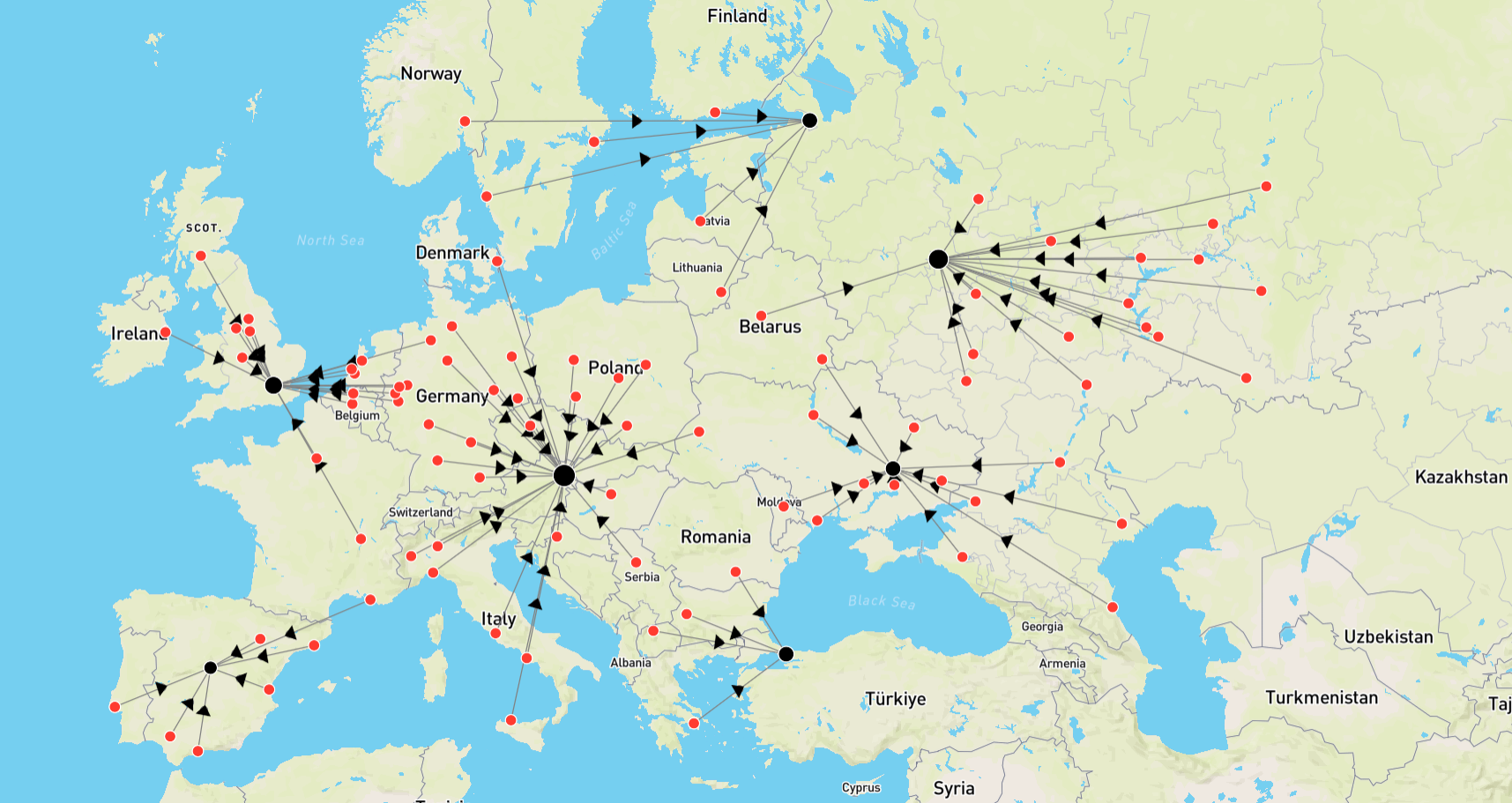
What is the added value of Digital Twins as part of your Supply Chain Strategy? What do you need to think about before the start of the project to force a breakthrough in your Supply Chain? This blog post describes the start of a Supply Chain Digital Twin Strategy project. A strategic approach that applies digital twin technology to the end-end supply chain.
What is a Digital Twin
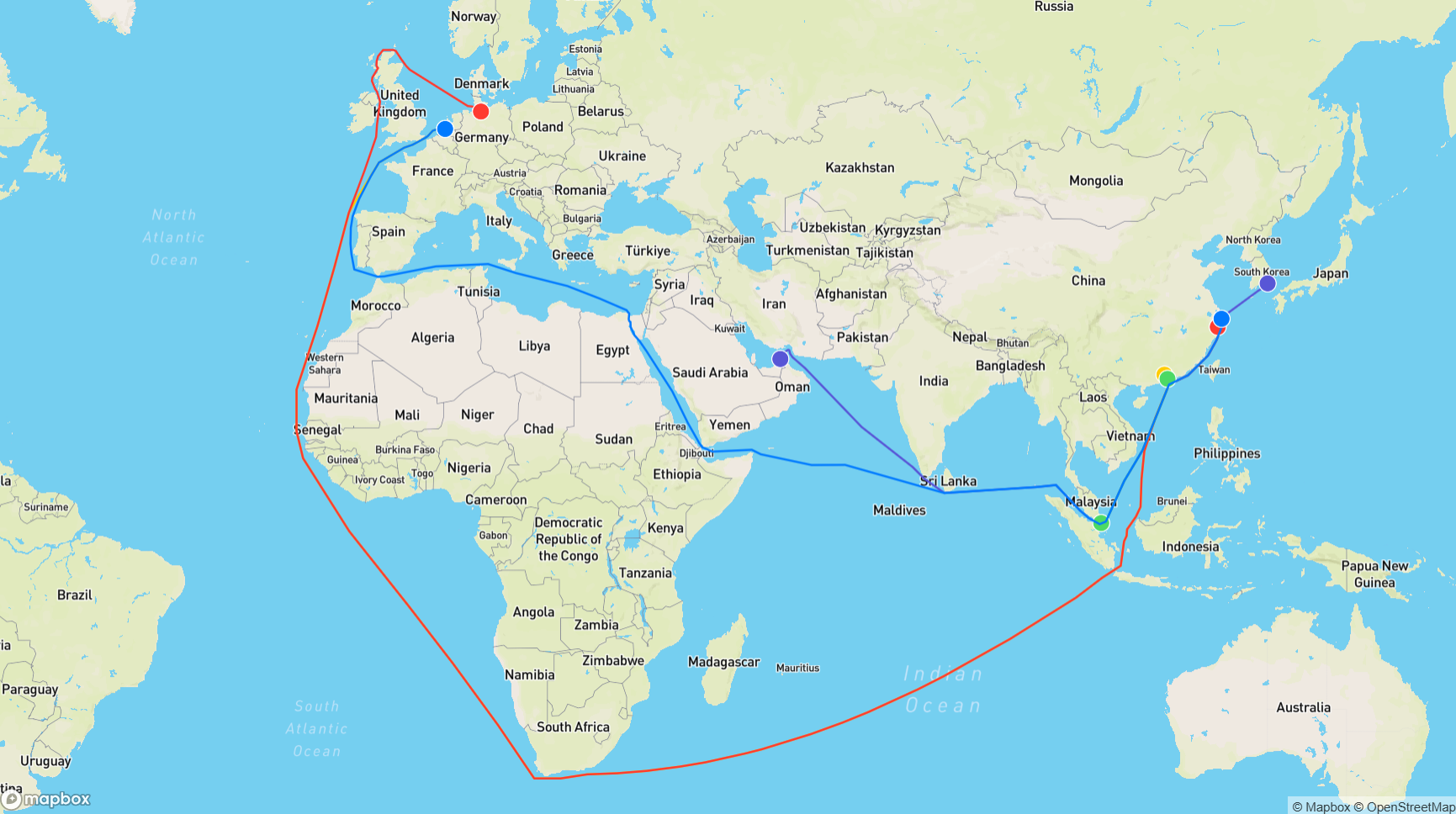
A digital twin (DT) is a digital representation of the physical chain that supports decision-making. After an introduction to the why of this strategy, I describe the value proposition (improved forecast accuracy, faster decision-making, cost savings and higher resilience), supported by figures from research reports by BCG and McKinsey (e.g. a forecast improvement of 20–30% and time savings of up to 90%).
A digital twin (DT) within a SCDTS provides end-to-end visibility, supports scenario planning and probabilistic forecasting, accelerates decision-making, reduces costs, and increases resilience. Research organizations such as Gartner and BCG emphasize that the SCDTS helps companies to evolve from reactive to proactive supply chain management [1], [2].
Business case en scoping
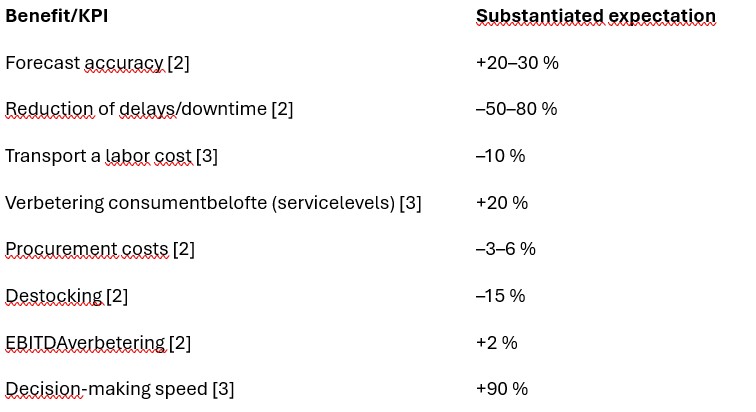
When building a business case for a digital twin (DT) within a SCDTS, it is crucial to link the value to concrete KPIs. Important advantages are:
Scope definition
Determine which parts of the supply chain will be modeled first. Gartner distinguishes three starting models [5]:
- Functional area – for example, inventory planning or transport planning. Suitable as a quick proof of concept for one process.
- End-toend tactical/strategic model – modeling of the entire network to support tactical network decisions (location, capabilities).
- Domain-specific model with frequent updates – focusing on operational decisions such as short-term stock shortages.
To determine the value proposition and benefits of a Supply Chain Digital Twin Breakthrough Strategy, in preparation for an initial implementation, many analysts recommend starting with a tactical/strategic network model that connects the strategic level (long-term goals) and the tactical level (medium-term action plans) [5]. The model helps to translate an overarching strategy into concrete, actionable steps in the medium term. It distinguishes the strategy (the ‘what’) from the tactics (the ‘how’) and positions tactics as the bridge between strategy and day-to-day operational execution. With a tactical/strategic network model, value is created immediately through improved network designs and CAPEX decisions, while the model can later be extended to other domains.
Improved decision-making and planning
- Real-time insight and scenario planning – A digital twin (DT) combines internal data (demand patterns, supply performance, inventory levels) with external data (industry indices, port utilization) to generate probabilistic predictions. BCG research reports that companies with a DT improve forecast accuracy by 20–30% and reduce delays and downtime by 50–80% [2]. These probabilistic forecasts provide timely warnings so that organizations can intervene proactively[2].
- Speed of decision-making – McKinsey reports that digital twins can increase decision-making speed by up to 90% [3]. By simulating scenarios and calculating impact, managers can quickly choose alternative production locations, routes or suppliers.
Cost savings and operational efficiency
- Inventory and cost of capital – Digital twin technologies help organizations optimize inventory buffers and capital investments. BCG indicates that their Value Chain Digital Twin provides companies with 3–6% cost savings in the procurement function and that one steel producer achieved 2 percentage points of EBITDA improvement and 15% lower inventories by applying the twin ahead of the game [2].
- Transportation and labor costs – McKinsey states that system digital twins, which model supply chain processes, can reduce transportation and labor costs by 10% and increase customer promise fulfillment by 20% [3].
- Product development and time-to-market – Digital product and supply chain twins reduce development time by up to 50% and improve product quality [3]. This is relevant when the supply chain is closely intertwined with product development, for example with configuretoorder.
Risk management and resilience
- Dealing with uncertainty – Gartner emphasizes that a digital twin helps companies move from “unknown uncertainty to known variability” through probabilistic planning [1]. MITt researchers point out that digital twins reveal patterns of complex and dynamic behaviors, allowing managers to notice disruptions early [6].
- Stress testing and scenario analysis – In industries such as life sciences, it has been found that a digital twin can be set up and used within two to four weeks to simulate disruptions (e.g. closure of a supplier location) and determine the financial impact of measures such as second sourcing [7]. This allows one to quickly decide on alternative suppliers or other risk mitigation measures.
Adoption and effectiveness
A 2025 PwC survey found that only 21% of the companies surveyed use digital twins, but 97% of those users find the technology valuable or very valuable [4]. Digital twins are therefore still among the ‘early adopter’ technologies, but provide demonstrable value.
Conclusion
The Supply Chain Digital Twin Strategy offers organizations a powerful path to make their supply chain more agile, efficient and robust. By leveraging probabilistic scenarios, real-time data, and AI-driven analytics, a digital twin can improve forecast accuracy, reduce costs, and accelerate decision-making [8] , [9]. Research from established companies like Gartner, MIT, McKinsey, BCG, and PwC state, that this technology delivers substantial benefits when implemented carefully [9], [10]. Success depends heavily on data quality, a phased approach, strong governance, and a culture that embraces data-driven decision-making. With a clear business case, a multidisciplinary team and an agile project methodology, organizations can realize the promise of supply chain digital twins.
References
[1] Bluecrux. (2021). What is a digital supply chain twin and why you need one? Bluecrux. Visited: https://www.bluecrux.com.
[2] BCG X. (2022). The value of digital twin technology for supply chains. Boston Consulting Group. Visited: https://www.bcg.com.
[3] McKinsey & Company (2022). Digital twins: From hype to value creation in supply chains. Visited: https://www.mckinsey.com.
[4] PricewaterhouseCoopers (2025). Digital trends in supply chain survey 2025. PwC, Visited: https://www.pwc.com.
[5] Quintanilla, G. (January 19, 2022). What is a Digital Supply Chain Twin and How can it Support Your Strategic Decisions? Visited: https://www.aimms.com/story/what-is-a-digital-supply-chain-twin-and-how-can-it-support-your-strategic-decisions.
[6] Tozanli, O., Saénz M.J. (August 18, 2022). Unlocking the Potential of Digital Twins in Supply Chains. MIT Sloan Management Review. Visited: https://sloanreview.mit.edu.
[7] Tenthpin Management Consultants (2022). Digital supply chain twin: Use cases & benefits. Tenthpin. Visited: https://tenthpin.com.
[8] BCG (29 juli 2024). Using Digital Twins to Manage Complex Supply Chains. Boston Consulting Group. Visited: https://www.bcg.com.
[9] McKinsey & Company (26 augustus 2024). What is digital-twin technology? Visited: https://www.mckinsey.com.
[10] Bluecrux. (2021). Digital supply chain twins, explained. Visited: https://www.bluecrux.com.